Meaningful Connections & Cultural Influence

Cultural Influence
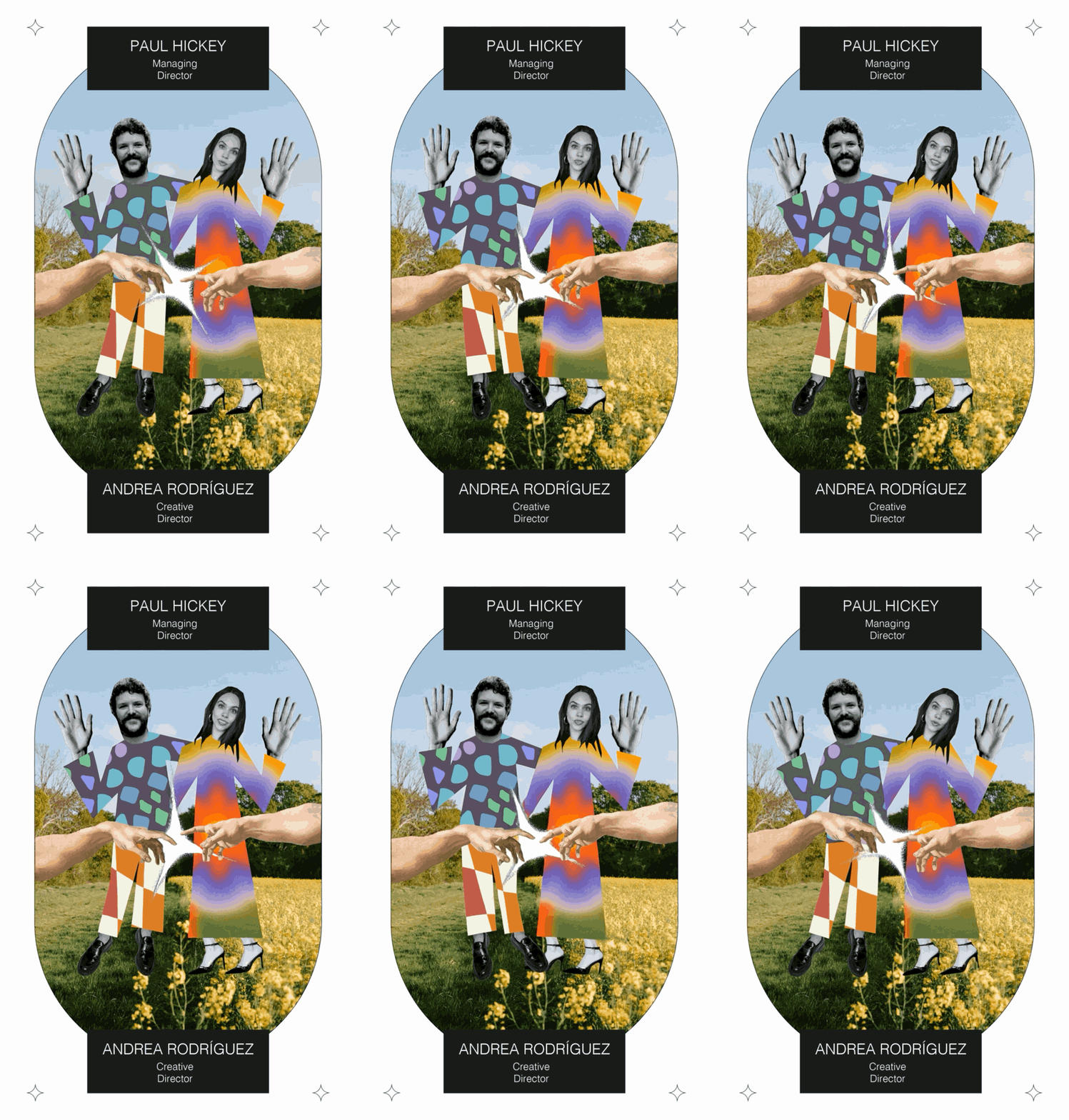
Paul Hickey, Managing Director
SAMY UK
Andrea Rodríguez
Creative Director

We structured this as a direct, unfiltered conversation between the two of us: Paul, representing the rigorous strategy behind the business, and Andrea, the unpolished creative edge. What follows is a recorded transcript of our dialogue. It explores where we are, where the $32 billion creator economy is heading, and how to stop dancing to someone else’s beat.

A digital conversation of influence & the creative blank space From P to A and back again

Andrea The Creative
Paul The Strategist
Andrea (The Creative)

Let’s just put it on the table right from the start. Right now, every brand, agency, and marketer is staring at the same dashboards. We are all swimming in an endless, suffocating ocean of metrics, attribution models, and algorithmic research. We obsess over the numbers because they give us a false sense of control over human behavior. But here is my reality check for the entire industry: data is exactly like culture. If you are just using it to be part of the conversation, you are already completely behind. You are looking at a snapshot of the past, hoping it tells you about the future. By the time a trend hits your dashboard, the vanguard has already moved on. You aren’t setting the rhythm; you are just dancing to someone else’s beat. And honestly, audiences can feel that lack of originality. They can feel the desperation of a brand trying to mathematically calculate its way into their hearts.

Paul (The Strategist)

I hear that, Andrea, and I appreciate the creative romanticism of your argument, but we cannot ignore the commercial reality we operate within. The world of digital influence shifts constantly, post by post, as billions of consumers interact with creators they trust. As algorithms evolve, the goalposts for commercial success keep moving. The reason brands focus on dashboards is simple: the stakes are astronomically high. Global investment in creator marketing has reached a staggering $32 billion, with zero signs of slowing down. You cannot casually gamble with $32 billion without rigorous measurement. For many organizations, structured campaigns deliver clear ROI, making the business case undeniable. You claim brands are just dancing to someone else’s beat, but my pragmatic concern is different: far too often, companies treat influencer marketing like a magic bullet without defining their target. They want immediate cultural resonance, yet they try to purchase it without a strategic blueprint.

Andrea

But that target you’re obsessing over is usually far too polished, which is precisely why it misses the mark with real people. In a digital landscape increasingly dominated by generative AI and automation, it has never been easier to produce content that is predictable, clean, and structurally flawless. Anyone can prompt a tool to generate a well-lit, grammatically perfect, risk-averse piece of media. But perfection is inherently boring. It lacks a human pulse. When every feed is filled with flawlessly optimized assets, audiences develop a sharp intuition for artificiality. They scroll right past plastic perfection. What automation cannot replicate is the human element: personal perspective, genuine error, distinct voice, and the unexpected pivot. Finding magic in the blank space that hasn’t been quantified yet is where true influence lives. The magic lies in the stutter, the mess-up, and the unfiltered laugh.

Paul

I am all for magic, Andrea, but magic without a foundation is just a vibe and a prayer. You cannot scale a vibe. If you want real results, I need a strategy grounded in three critical pillars: Impact, Interest, and Intent. Let’s start with Impact. Before I allow a client to spend a single euro, dollar, or pound, I need to define what success actually looks like. Are we going for cultural cachet? Immediate sales? Reach, awareness, engagement, community, or long-term loyalty? The reality is that influencer marketing can do any of these things, but it cannot do all of them at once. If a brand is still obsessing over a single vanity metric, like raw impressions, or treating creators as cheap alternative billboards, I tell them it’s time for a hard reset. You have to figure out the specific business outcome you need, then build the campaign to match.

Andrea

How do you construct that campaign without destroying the art? The moment business metrics become the sole focus, teams issue overly prescriptive briefs that suffocate creativity. When you hand a creator a rigid corporate checklist, you destroy the very authenticity you hired them for. Brands select creators for their unique perspective, then force them to recite corporate scripts. Instead of rigid guidelines, we should provide creative white space. Give creators the room to experiment. Genuine cultural impact isn’t generated by spreadsheets or posting schedules; it comes from exploring the uncharted gaps that data cannot capture. That is how dry brand messages transform into memorable, culturally relevant storytelling.

Paul

Exploration is valuable, but it must be directed purposefully. That brings us to my second pillar: Interest. Once your core objective is defined, you have to connect with audiences through their actual passions. Modern algorithms surface content based on specific interests, not broad demographic categories. Marketers often use ‘culture’ as shorthand for audience groups they haven’t thoroughly researched. There is no generic audience waiting to applaud a brand message. Every user’s feed is a tailored mix of hyper-specific interests and niche communities. The better you understand these micro-communities, the more effectively you can partner with creators who hold genuine authority within them. The era of broad, standardized creator briefs is over; modern success requires nuanced briefs that respect creator autonomy while reaching target communities effectively.

Andrea

You can give them a tailored brief based on their niche, but you can’t automate authenticity, Paul. You cannot script a vibe. You can know that a user likes crochet, but if the content feels like an intrusion, they will reject it. At the end of the day, I believe brands are built by people, for people. To truly connect, a brand needs to embrace its humanity, and nowadays being human means being beautifully imperfect and unexpected. It means dropping the corporate mask to laugh once in a while. It means making a nonsense joke just because it is funny. It means celebrating the creative nonsense that actually sparks something that makes your fingers stop and your brain remember. Influence today isn’t about looking pristine; it is about being believable. When a brand risks itself to be unexpected, it reaches the goal of being memorable and makes people dance to its rhythm, not moving at the pace of culture but making culture its own.

Paul

I agree that stopping the scroll is the ultimate goal, but how they receive that unexpected nonsense joke comes down entirely to Intent. Interest gets you in the door, but intent dictates how your message is received. We all use social media differently depending on the time of day, our mood, or how much energy we have left. There is a massive difference between active searching—like looking up a specific tutorial to tame frizzy hair—and passive scrolling while half-watching a movie on the couch. Then you have the bedtime doomscroll: binging short-form videos in total silence at 1:00 AM. What someone wants to see and how they process information depends entirely on these distinct mental states. Designing creator content around these varying mindsets is the secret to making your message land. Your unexpected joke will fail at 1:00 AM if it requires high-energy processing, just as a dry tutorial will fail when they are passively looking for entertainment.

Andrea

So, we map the mindsets, we understand the niches, and we define the impact. But when it comes down to the actual execution, we leave it to the blank space. It is the blank space, the error, the unpolished edge, and the entirely unexpected pivot that makes a brand, content, and the selection of an influencer unique. That is what actually makes people stop scrolling. Because when anyone can build an image or an algorithm, having a personal point of view to create in the blank is gold. It is the bravery to do what the machine would advise against.

Paul

Exactly. Mastering Impact, Interest, and Intent establishes a sound operational foundation. Those three pillars represent the necessary strategic baseline of modern creator marketing, they ensure efficiency, alignment, and measurable return on investment. But while strategic alignment prevents campaign failure, distinctive creativity is what achieves memorable breakthroughs. A well-structured strategy provides the launchpad, but bold creative execution is what ultimately captures audience imagination.

Ultimately, sustainable digital influence doesn’t require choosing between analytical rigor and creative expression. High-performing campaigns require both the strategic discipline to understand audience context and the creative audacity to deliver memorable experiences. Modern marketing thrives on this ongoing dialogue moving smoothly from strategic frameworks to creative exploration and back again.

Ready to balance strategic rigor with creative audacity, and turn creator marketing into cultural influence? We know how.

Consult the Oracles